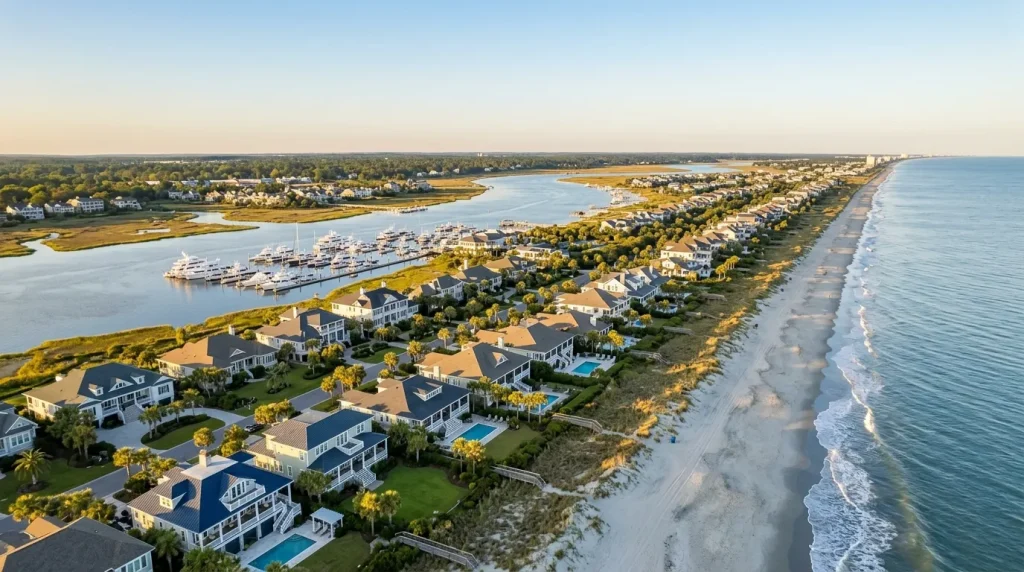
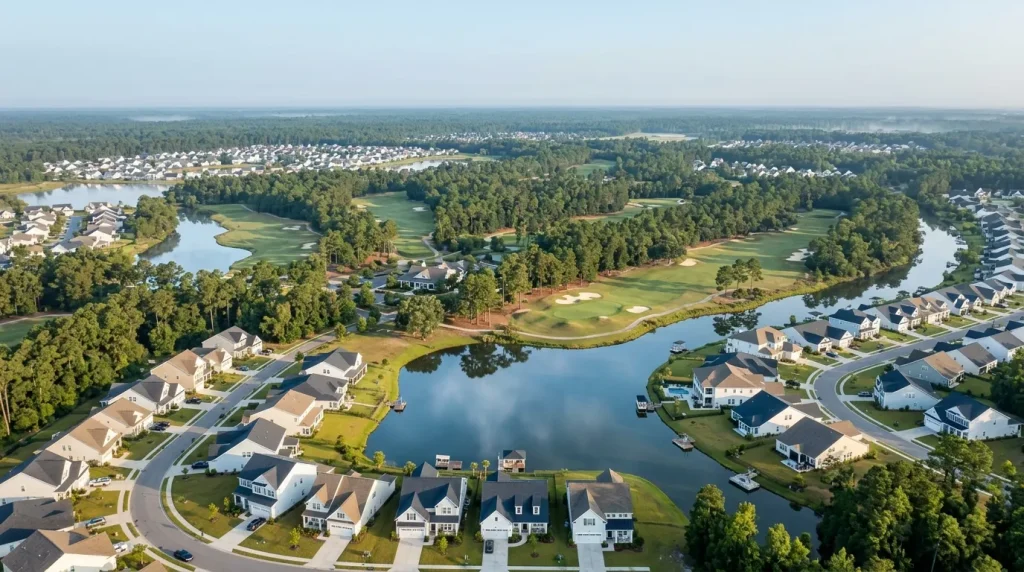
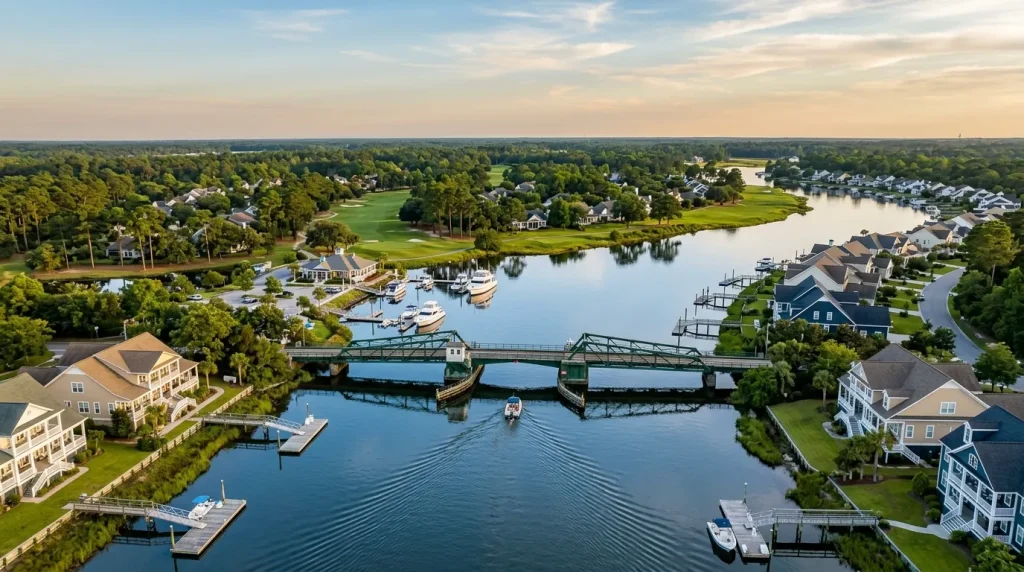
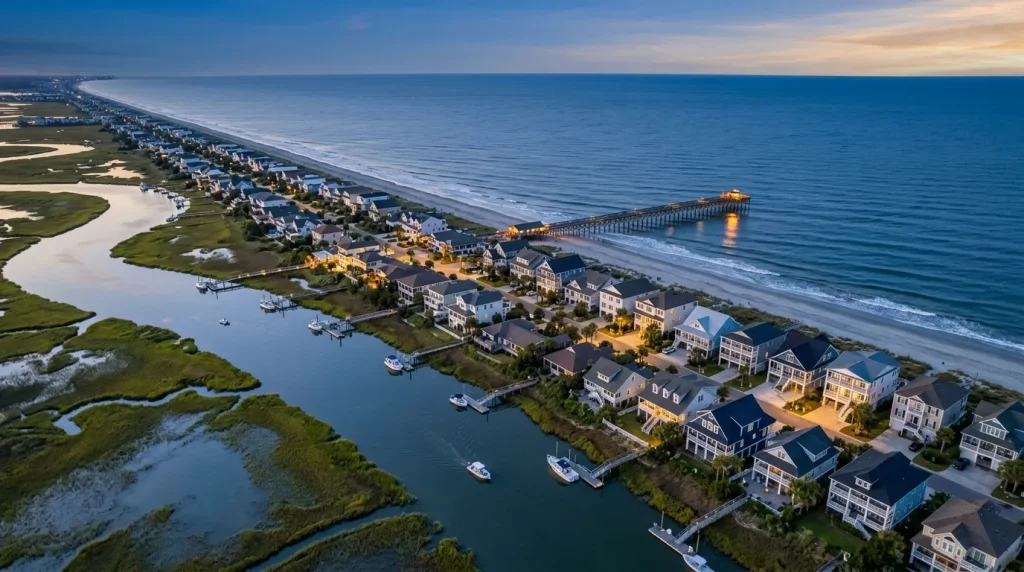
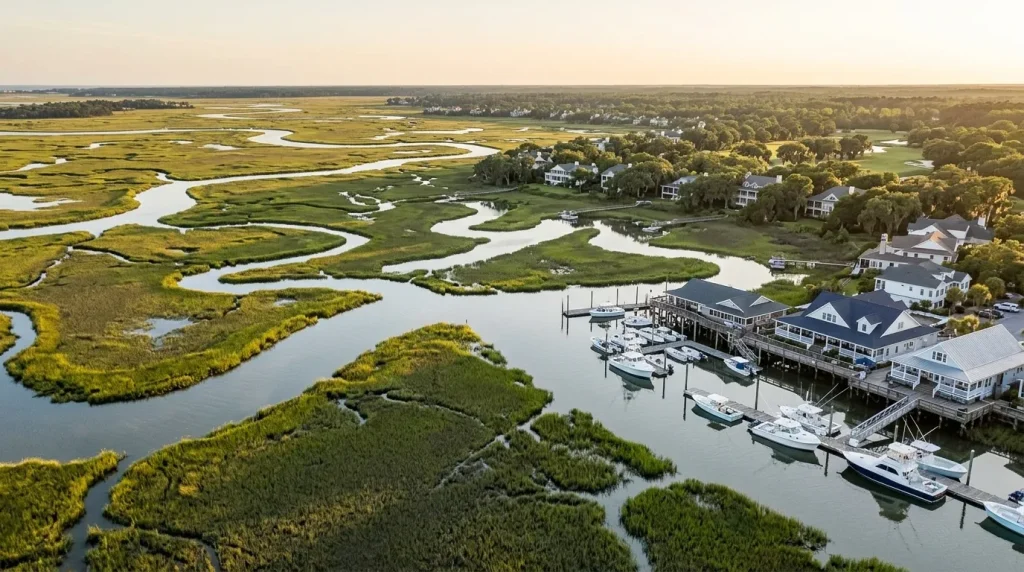
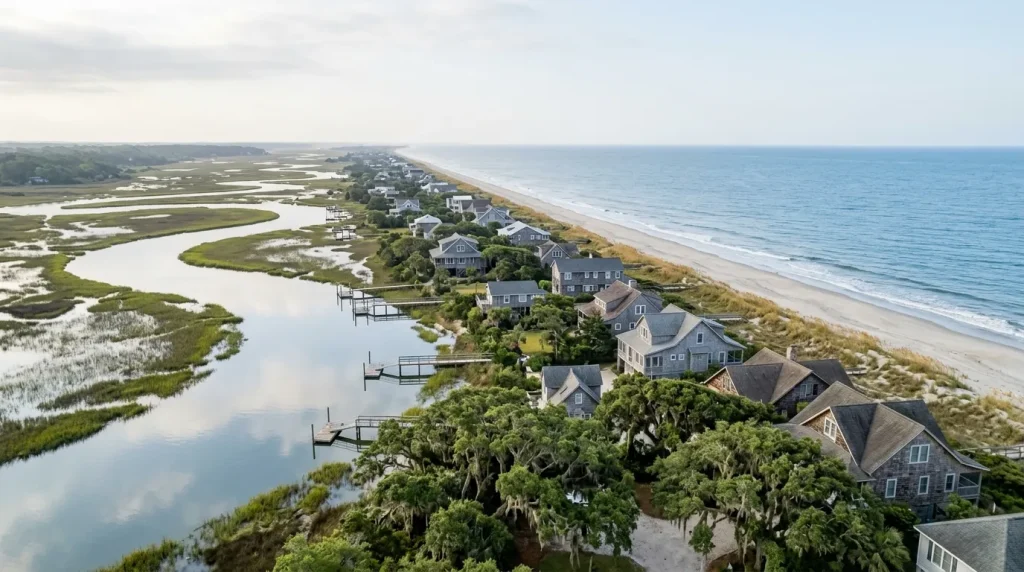
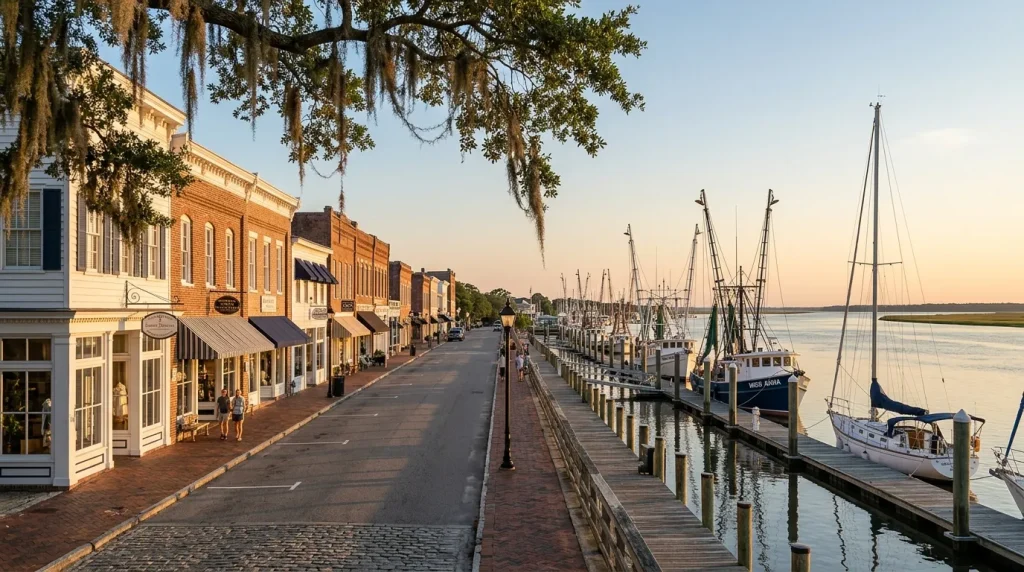
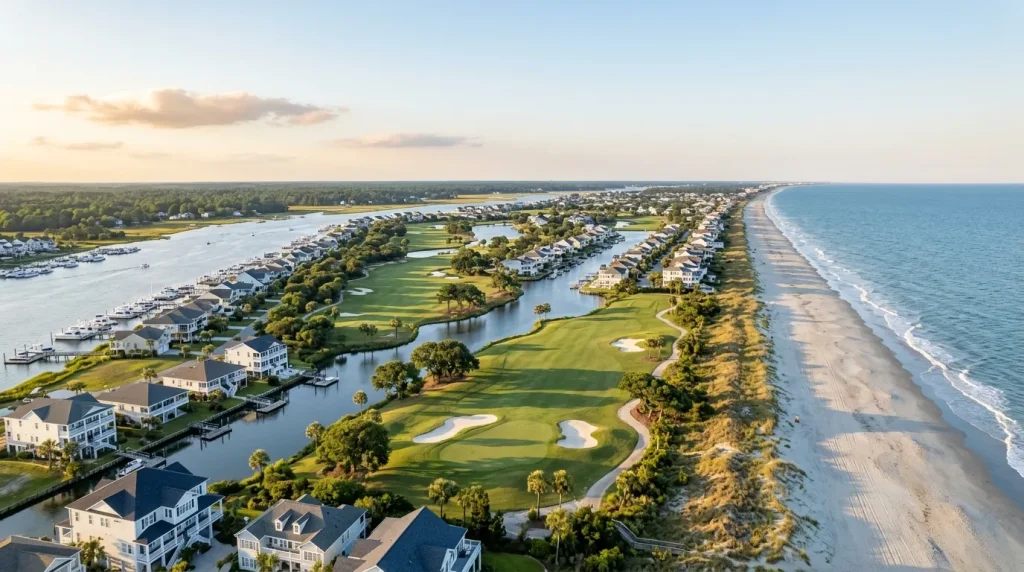
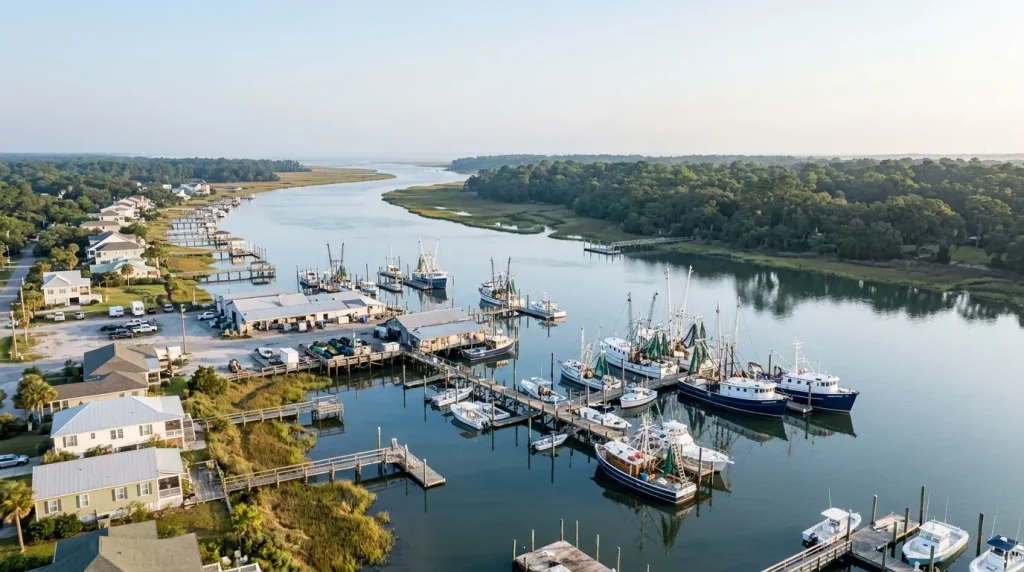
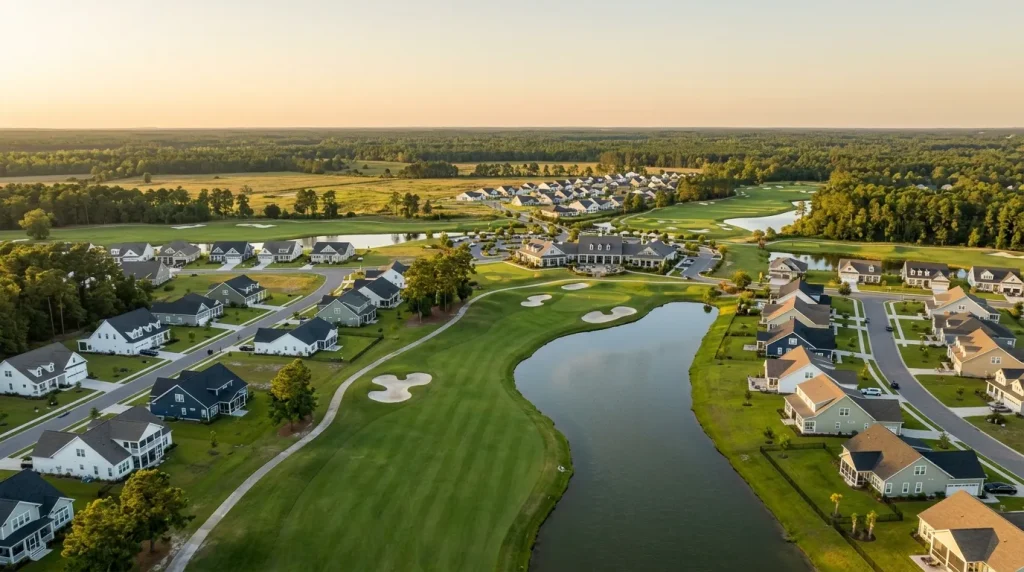
South Carolina’s Grand Strand stretches roughly 60 miles down the coast from Little River at the North Carolina line to Pawleys Island and Georgetown in the south. Within it sit fourteen distinct communities, ranging from gated oceanfront resorts to historic riverfront towns and inland master-planned neighborhoods. Each one below has its own full guide with market data, schools, neighborhoods, and homes for sale.
How the Strand is organized
The Grand Strand is best understood in four groups: the three coastal stretches, plus the inland towns that anchor the county behind them.
Central Strand
Myrtle Beach itself, the inland family hub of Carolina Forest, and Socastee on the waterway. The widest range of housing on the coast.
South Strand
Surfside Beach, Garden City, Murrells Inlet, Pawleys Island, and Georgetown. Quieter, more residential, and home to the Strand’s most exclusive private communities.
North Strand
North Myrtle Beach, Little River, and Longs. Golf, channel-front homes, and value inland.
Inland
Conway, Loris, and Aynor. River towns, acreage, and the county’s best prices, all within a manageable drive of the sand.
Inland
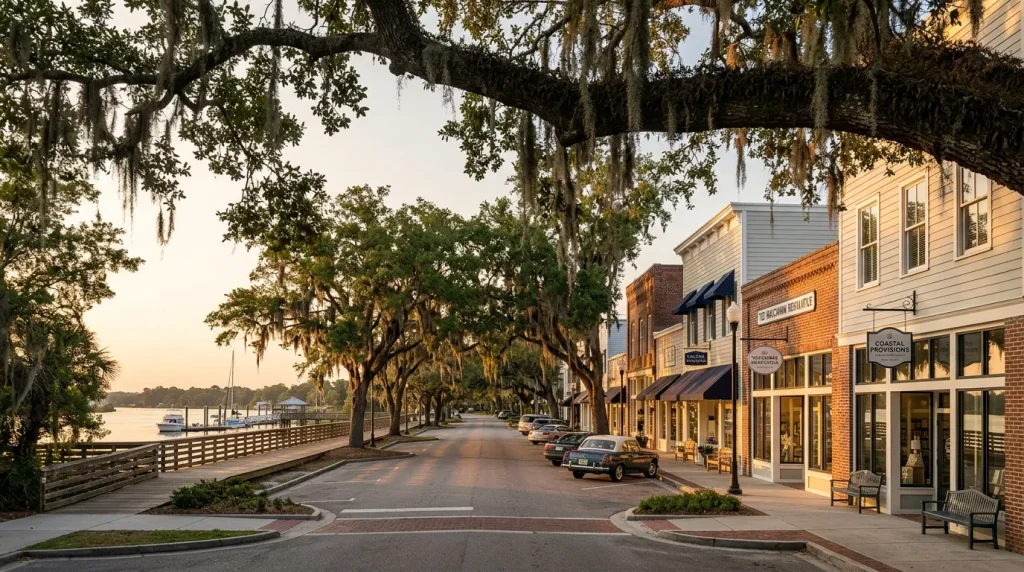
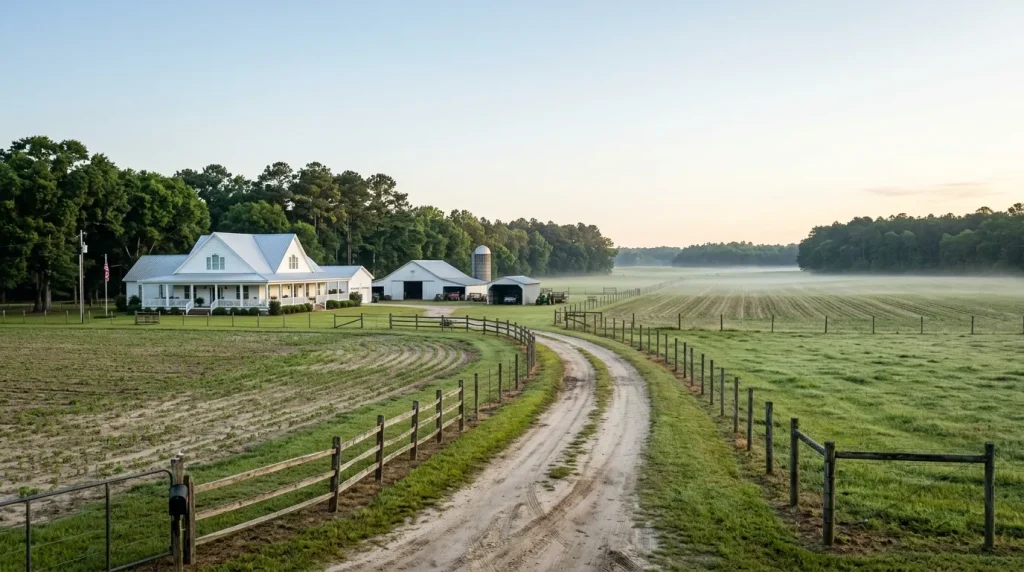
The inland towns are where Horry County keeps its history and its price advantage. Conway is the county seat, a genuine river town with an oak-lined downtown that predates Myrtle Beach entirely. Loris and Aynor carry the county’s farming roots, with acreage and elbow room the coast ran out of decades ago. None of the three is a beach town, and that is the point: buyers here get land, quiet, and a real main street, with the ocean still 30 to 45 minutes away when they want it.
Horry County’s historic seat, with an oak-lined riverfront downtown, the Riverwalk, and fast-growing new construction.
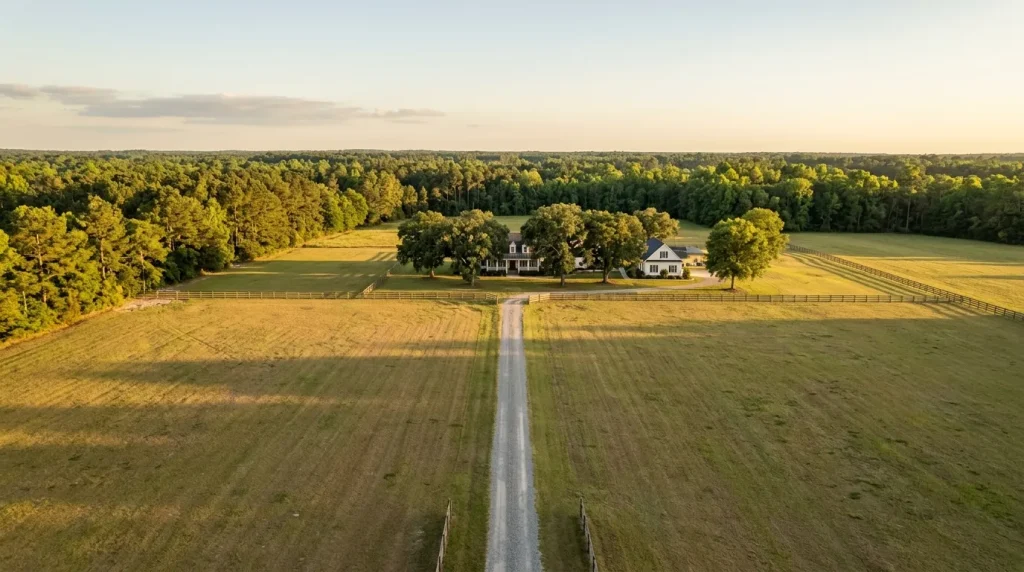
Rural Horry County, where buyers find acreage and lower price points within reach of the coast.
Rural western Horry County, where land, acreage, and estate homesites sit a short drive from the coast.